The legendary Casa Batlló
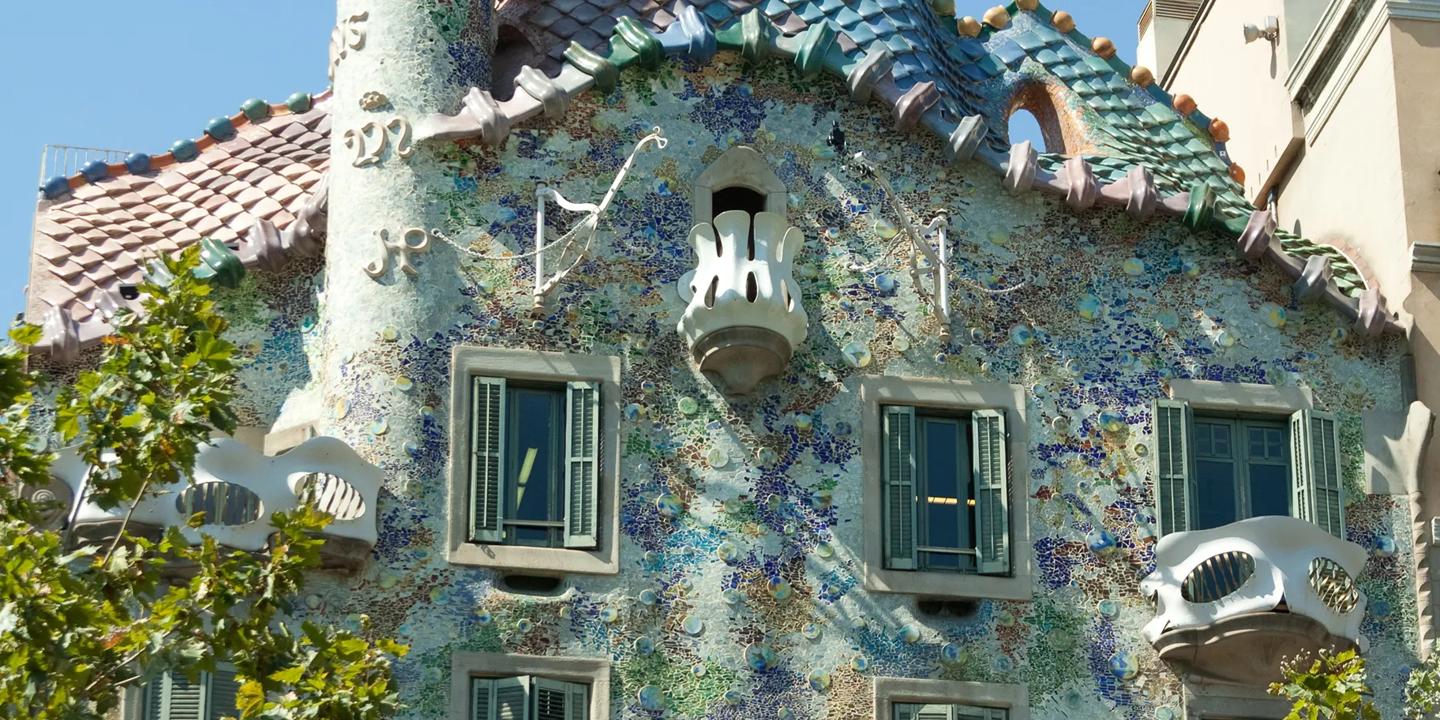
If you walk along the Passeig de Gràcia boulevard you can’t miss it: the colourful façade of Casa Batlló. The building’s frontage invites closer inspection. With its playful round windows and scaly roof, it has the aura of a fairytale castle. Its shapes and lines immediately reveal the identity of its creator: Antoni Gaudí, Barcelona’s most celebrated modernistic architect.
The dragon on the roof
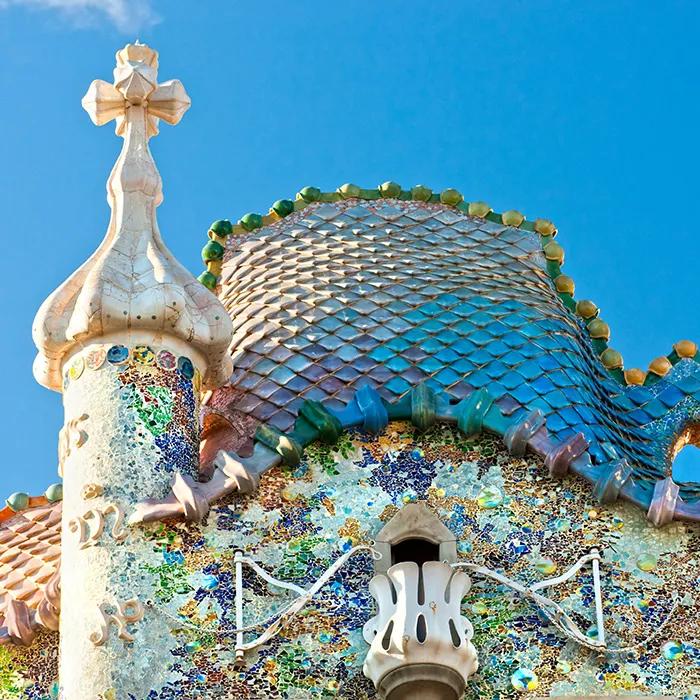
With a little imagination, it looks like a giant reptile has landed on Casa Batlló’s roof. Gaudí could have been depicting the legend of Saint George and the dragon. The tower with its cross may have represented the sword with which George killed the beast. Whereas the skulls on the façade recall the victims of the murderous dragon. Another explanation is that the exterior symbolises the spirit of carnival. In this interpretation, the roof represents a jester’s hat, the balconies are masks and the mosaic could be confetti. Casa Batlló’s roof is just one of several noteworthy features along the boulevard. This block on the Passeig de Gràcia is home to several modernistic houses from the same period, including those by architects Lluís Domènech i Montaner and Josep Puig i Cadafalch. Barcelonans joke about the ‘Illa de la Discòrdia’, which loosely translates as ‘The Housing Block with a Twist’ and refers to the competition that existed between architects along this street.
The interior of Casa Batlló
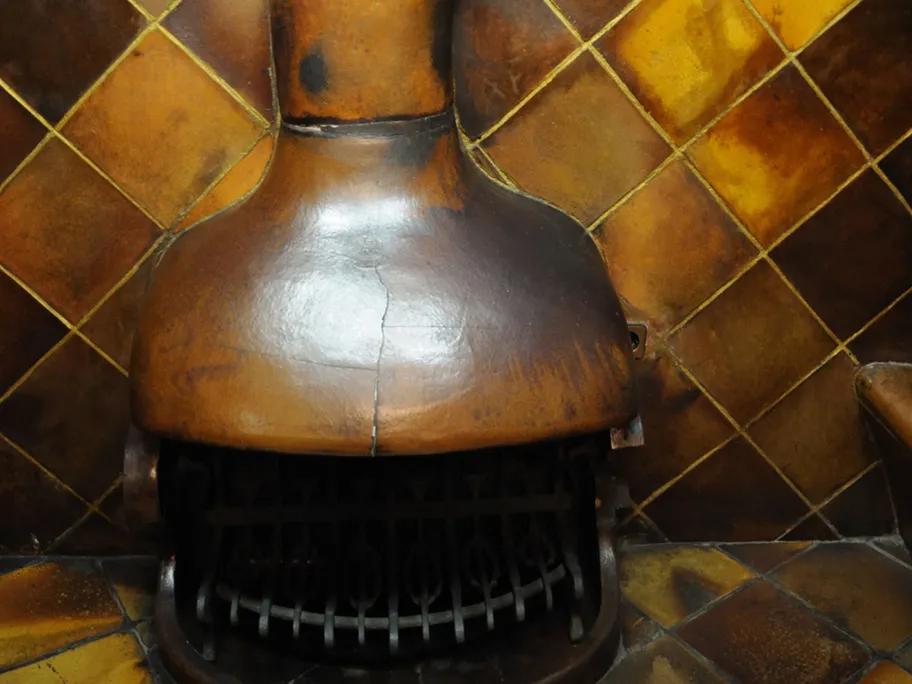
Casa Batlló has good reason to be described as a legendary building. Anyone who sees its exuberant exterior alone would be hard pressed to recognise it as a residential building. For this reason, the interior is also well worth seeing. Make good use of the long opening hours (from 9:00 to 21:00 with entry permitted until 20:00). Try to arrive at sunset, when the light passing through the shell-shaped skylights creates a mysterious atmosphere. Be sure to visit Señor Batlló’s study and the festejador, a romantic spot by the carved fireplace where lovers can retreat.
Related articles
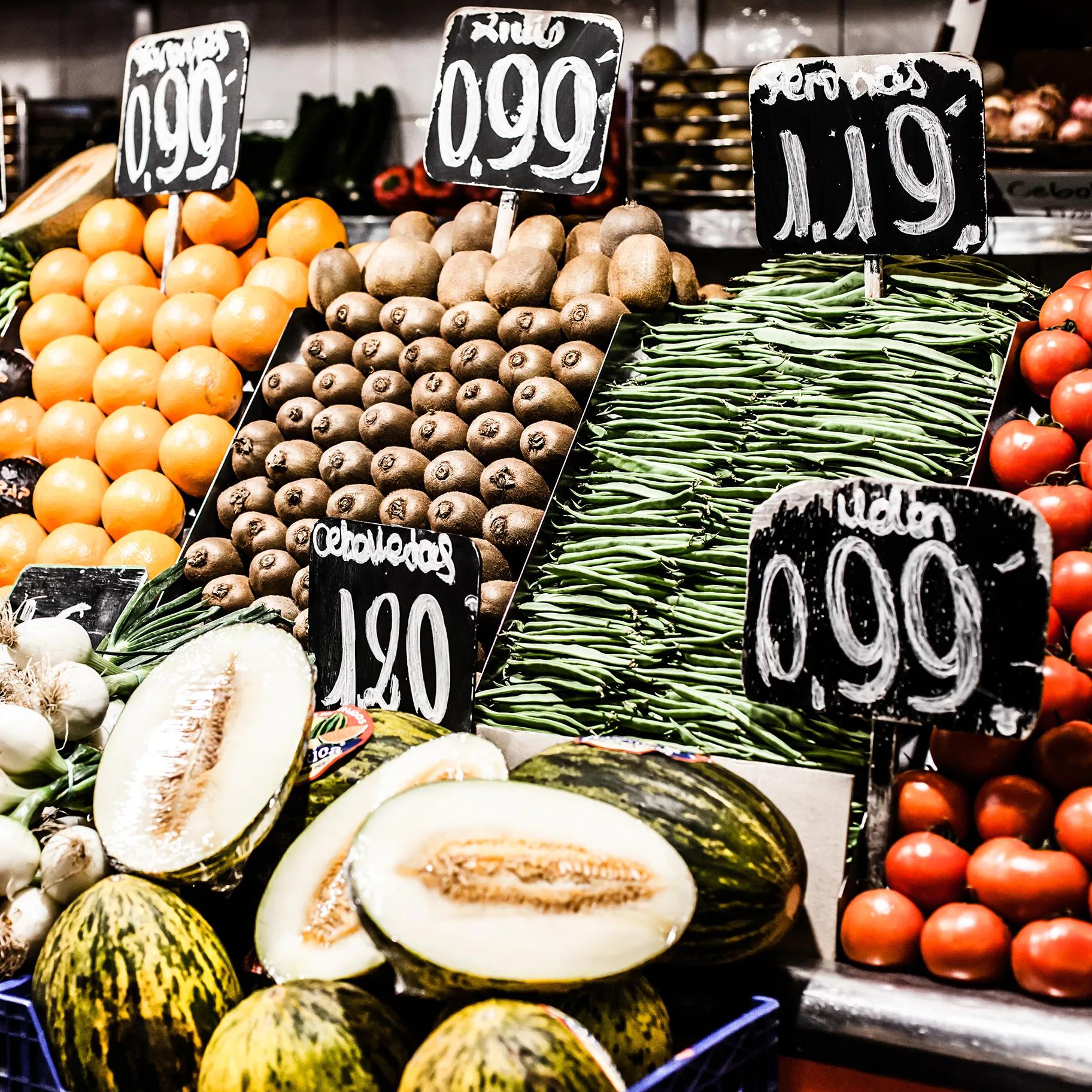
Culinary
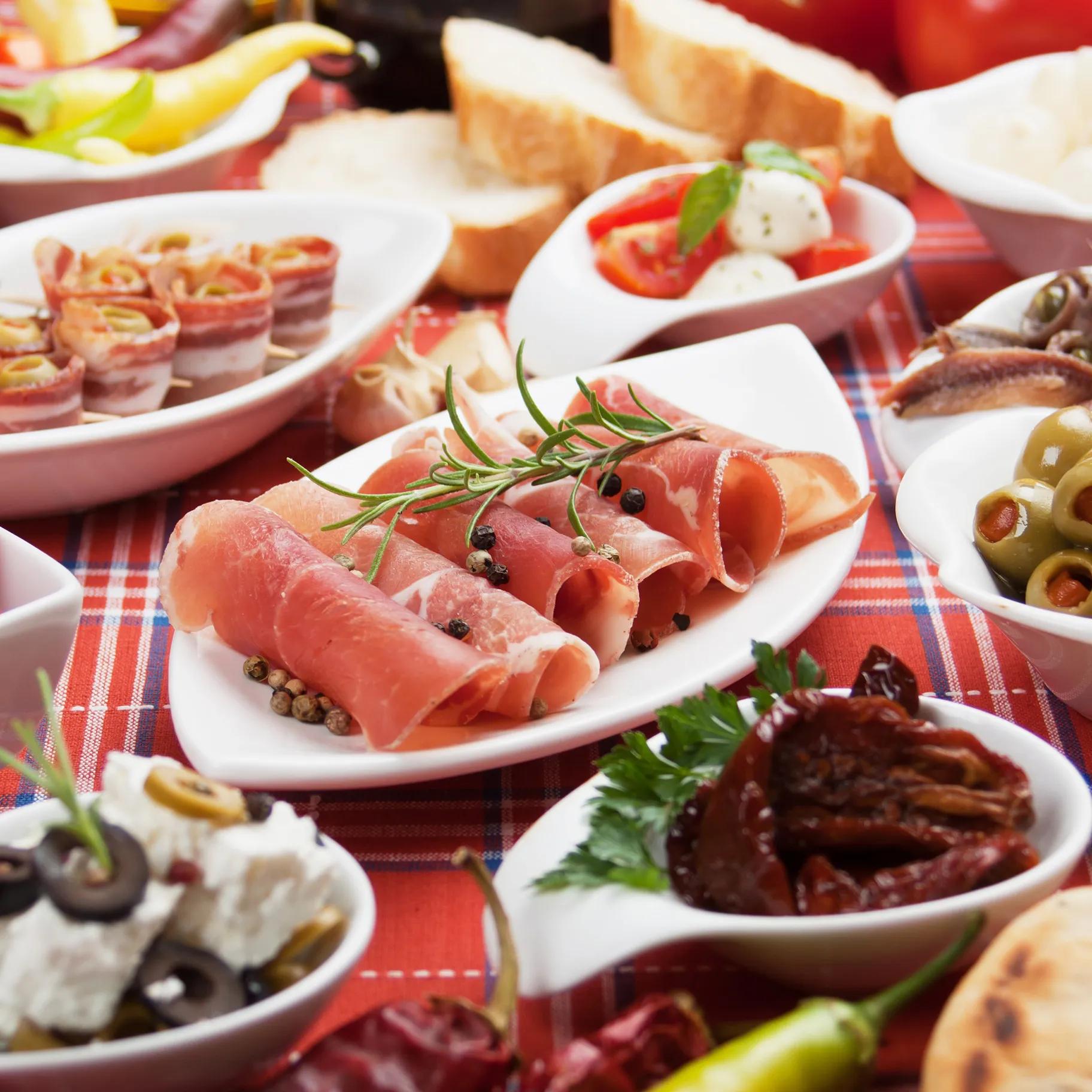
To discover the soul of the Barcelonans, it’s best to eat one’s way through Barcelona. From farmhouse cheese to molecular gastronomy, the versatile flavours of Catalonian cuisine tell the turbulent story of the region. The Visigoths, the Moors and the French have all occupied this fertile area on the Mediterranean Sea over the past centuries, and they have all left their mark as the tastes in Barcelona’s markets make clear.
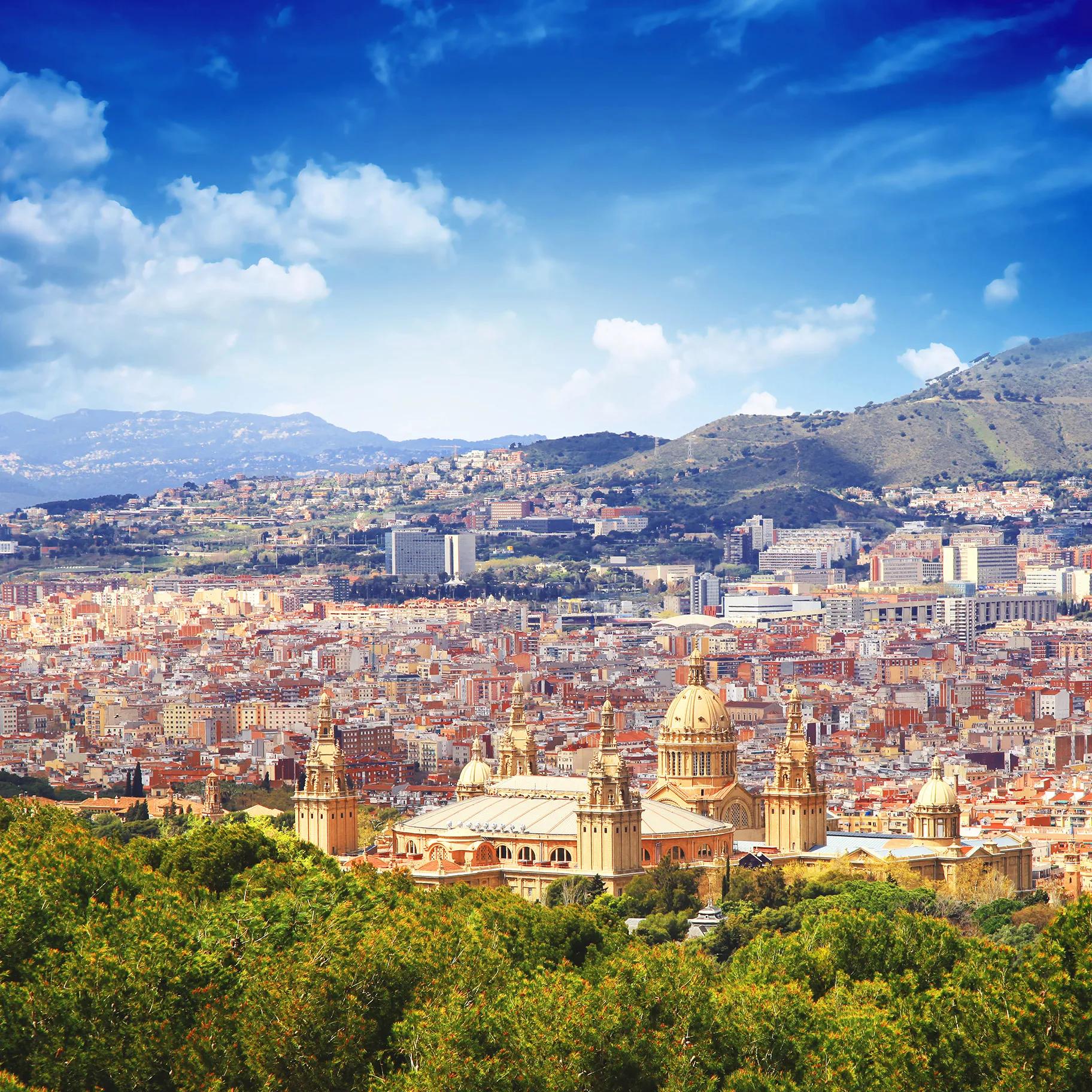
Arts & Culture
The neighbourhoods of Hostafrancs and Sants, which both offer a wide variety of shops, restaurants and entertainment venues, form the heart of the Sants-Montjuïc district. This district covers the south-western section of Barcelona. The narrow streets at the foot of Montjuïc hill lend Hostafrancs and Sants a homely, village character. But they also have a bustling atmosphere with one of the longest shopping streets in Europe: Carrer de Sants.

Discover other destinations in Europe
*The displayed prices are for one adult. All amounts are in USD. Taxes and surcharges are included. No booking fee is applicable. Prices shown may vary depending on fare availability.
The weather forecast information is provided by World Weather Online. Air France-KLM is not responsible for the reliability of this data.